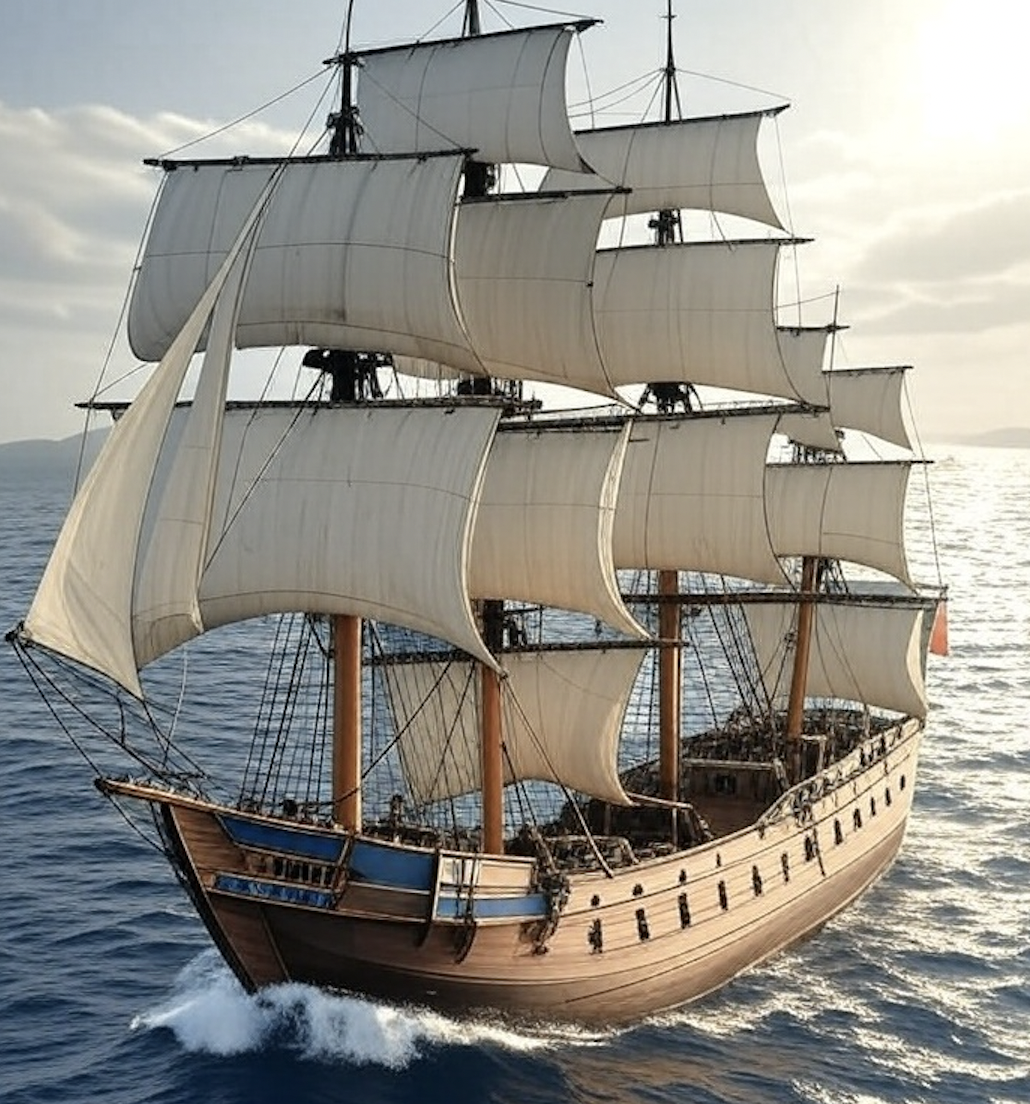
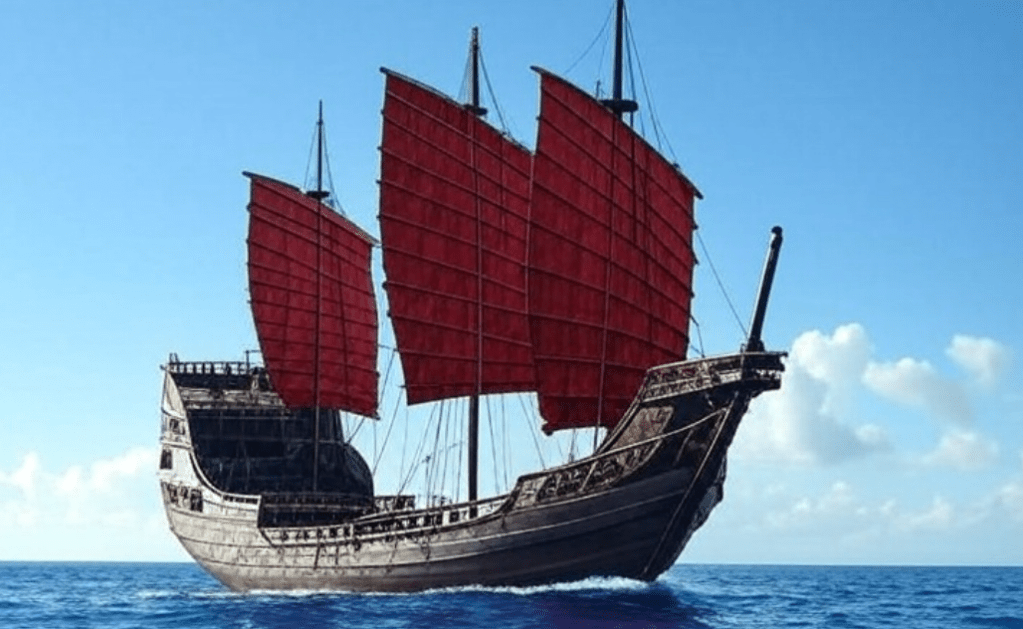
Pete Hegseth, US Defence Secretary, recently warned that China may be preparing to invade Taiwan. This has historical echoes. As a maritime historian with 40 years in global trade, I see striking parallels, explored in my book The Millennium Maritime Trade Revolution: 700–1700, in how Asia’s maritime supremacy unraveled.. History doesn’t repeat, but its geographical and cultural currents offer lessons for today’s Taiwan Strait tensions.
Song and Yuan: China’s Maritime Zenith
In the Song and Yuan eras (960–1368), Chinese merchant fleets came to dominate Asian trade, from Japan to the Red Sea. Ports pulsed with commerce—silks, ceramics, spices—fuelling industrial and cultural brilliance. Song China’s shipbuilding and navigation outshone Europe, then mired in maritime stagnation. This dominance, driven by trade encouragement, made Asia the world’s economic engine, with Fujian’s merchants leading the charge.
The Ming Revolution
The Ming dynasty in 1372 reversed course. The new emperor banned foreign travel and trade, criminalising Fujian’s seafarers and impoverishing coastal economies. A restrictive tribute system at Guangzhou replaced vibrant commerce, forcing ceramic artisans to flee, birthing Southeast Asian Chinatowns and coastal smuggling hubs like Yuegang, where corrupt officials winked at illicit trade. By 1567, limited trade resumed for food and silver, but the damage was done.
Fujian and Taiwan
Amid Ming decline, Fujian’s smugglers thrived. Li Dan, dubbed Captain China, built a trade empire spanning Japan to Burma. His successor, Nicholas Iquan, became China’s richest man, his fleets unrivalled. As the Manchu invaders advanced, Iquan urged Ming emperors to revive maritime trade to fund defence. He was ignored. His son, Coxinga, a merchant-warrior, transformed Taiwan into a trade fortress by the 1640s. Leading five companies and two fleets, Coxinga controlled 80% of Japan-Southeast Asia trade—silks, metals, spices—outpacing the Dutch East India Company fivefold in this area. His 250,000 soldiers and 2,300 ships, funded by trade, resisted Manchu conquest.

Coxinga rejected Manchu offers to rule Taiwan under their banner, choosing autonomy—a sensible commercial stance echoing Taiwan’s modern independence. Yet, his ambition to reclaim southern China proved fatal. The Manchu’s brutal campaigns decimated Fujian, driving refugees to Taiwan. Coxinga’s successor, Zheng Jing, sustained trade dominance, but a southern rebellion drew him into conflict. By 1680, Xiamen fell, and Taiwan was absorbed into the Manchu empire, reverting to a stifling tribute system. Smuggling persisted, but Asian maritime power waned, just as north European ports were energised.
Lessons for Today
Ming and Manchu isolationist policies crippled a maritime giant. Damaging Taiwan’s trade autonomy risks reshaping and damaging Asia, indeed the world, just as the Ming’s missteps did centuries ago. This was the final act in The Millennium Maritime Revolution 700-1700, which offers insights into today’s geopolitical currents.
Join the Conversation
For historians, trade professionals, or those curious about global power shifts, this is a journey through the seas that shaped our world.
The first chapter of my book is available to read for free on my Substack. Subscribe to receive new posts and to support my work.
 Nick Collins
Leave a comment