
Some topics covered:
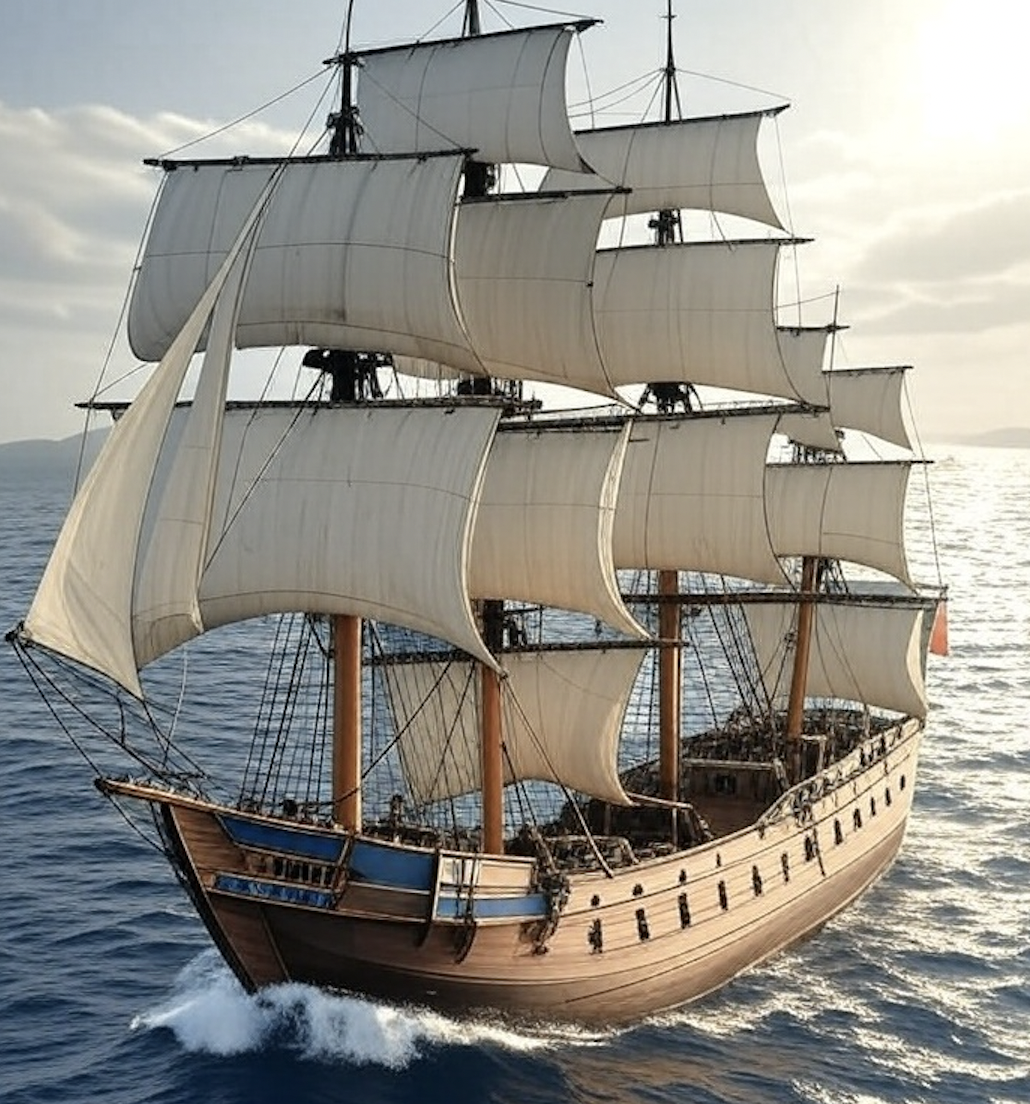
- Maritime trade shaped the ancient world, with India playing a pivotal role.
- The Indus–Sarasvati civilisation was the most advanced and the major driver of global trade and culture.
- Discussion of the India–Mesopotamia trade network: India exported rice, ghee, pearls, gems, timber, and food, while Mesopotamia sent back woollen textiles, and metals including gold.
- We explore my theory about pharaonic Egypt’s rise, suggesting that invasions aimed at securing gold were tied to the India–Mesopotamia trade system.
- Lothal was a significant Indus-Sarasvati port, with large docks and a hub-and-spoke system for maritime commerce.
- There was an exchange of ideas and culture, not just goods — such as Indian myths like the “Seven Sages” appearing in Mesopotamia and Egypt.
- The Phoenicians were key intermediaries, linking India, Mesopotamia, and the Mediterranean.
- The traditional chronology of events is questioned – the Trojan War may have occurred later (around 900 BCE) and there never was a Mediterranean “Dark Age.”
- The spread of Indo-European languages and technologies like chariots and ironworking is connected to the drying of the Sarasvati River.
- Greek philosophy, Hebrew monotheism and the move away from animal sacrifice can be traced to Indian influence. Note parallels between the Bhagavad Gita and the Bible.
- Sea trade is more efficient than land routes like the Silk Road, with India’s geography making it a crossroads of the ancient world.
- The need to rethink history, moving beyond colonial narratives to acknowledge India’s central role in global civilisation.
 Nick Collins
Leave a comment