Tag: archaeology
-
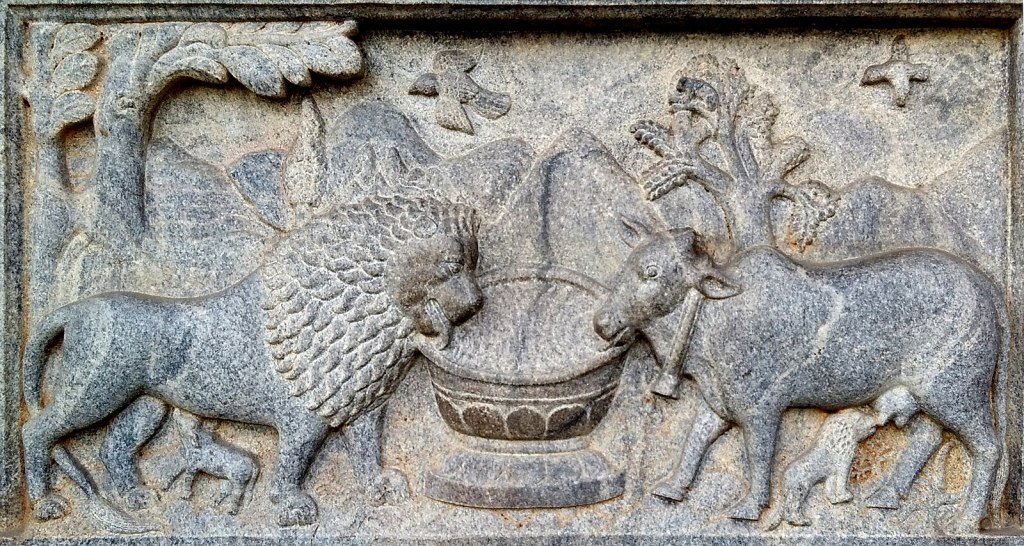
Jainism’s Maritime Influence on the Ancient Mediterranean
Historians have long been intrigued by the striking similarities between Indian philosophical traditions — Hinduism, Jainism, and Buddhism — and Greek philosophy. Examining history through the lens of maritime trade reveals not only economic patterns but also the transmission of ideas along trade routes. The Hiram-Solomon Treaty: Promoting Maritime Trade A notable biblical account describes…
-
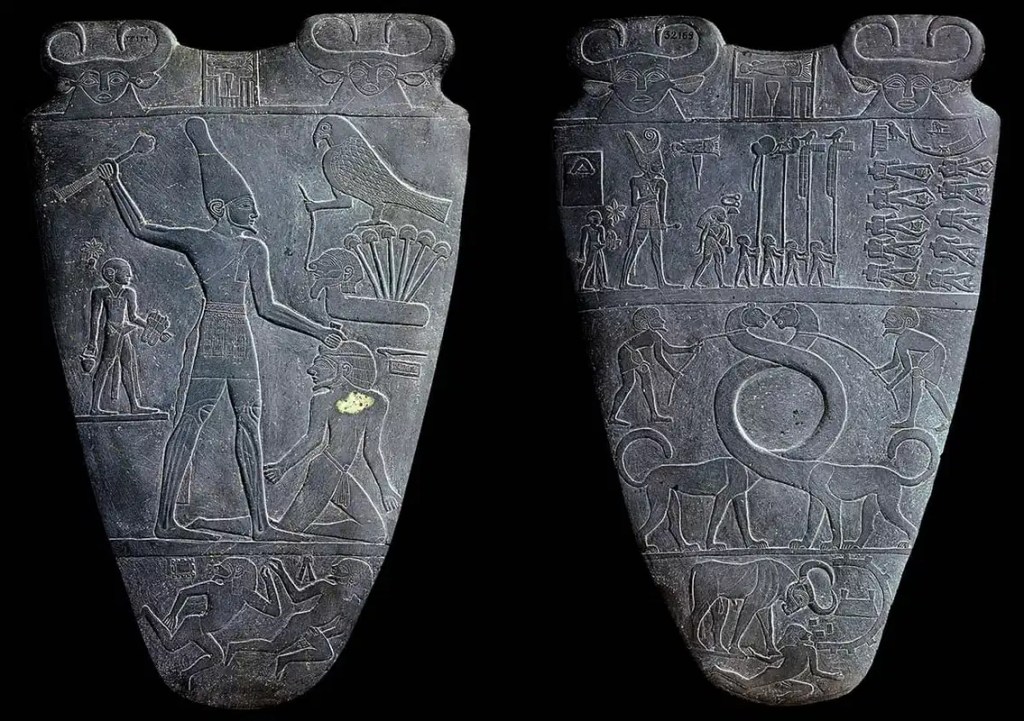
Ancient History vs Political Correctness
Has historical fashion diminished India’s role in shaping early history? Last week’s post posited that an invasion of Egypt by a military force from Mesopotamia’s Uruk city-state (in Sumer) was pivotal in forming Pharaonic Egypt, driven by trade demands between the Indus-Sarasvati region and Sumer. The notion of a Uruk invasion has sparked debate over the…
-
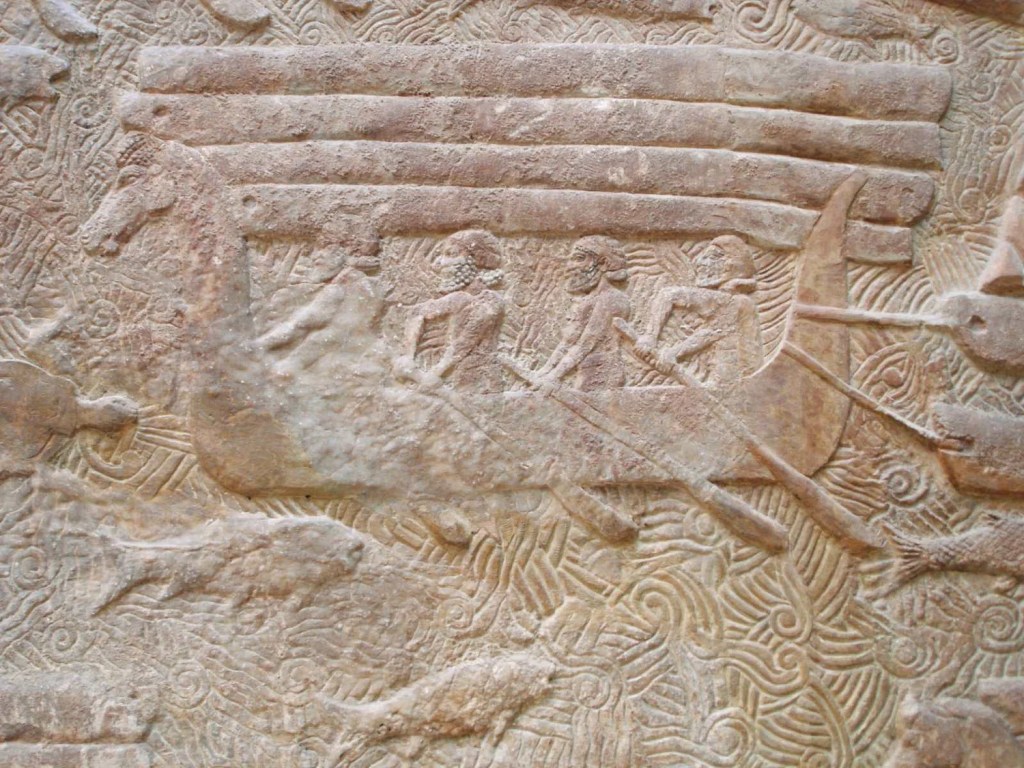
Phoenicians: Saviours of Civilisation
In Guns, Germs and Steel, Jared Diamond asked how much effect geography had on ‘history’s broad pattern’. He concluded that all societies had inventive people but some environments provide more starting materials and favourable conditions. He concentrated on domestication and the axis of the continents. I contend that ports were the favourable conditions that continued…
-
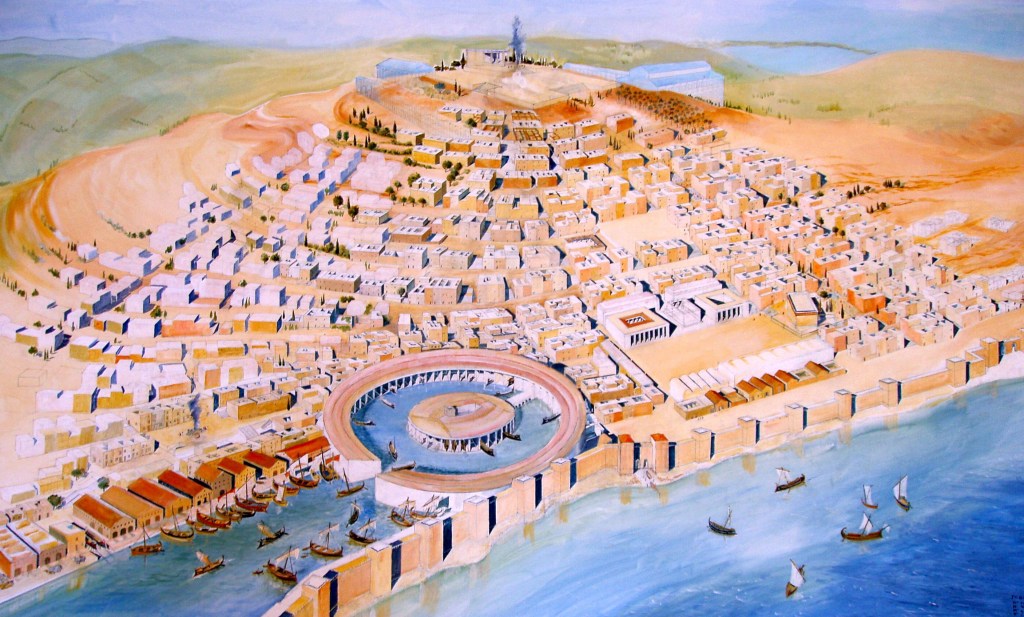
The Engine of History: Maritime Trade – Two Mediterranean examples
History often celebrates kings, queens, and wars. Such narratives obscure a quieter force: maritime trade. In the 6th–2nd century BC and 11th–15th century AD, Mediterranean ports, not battlefields, fueled economic and cultural prosperity, laying the foundations for the Roman Empire and Renaissance Europe. Two examples—Carthage’s trade empire and Venice’s commerce with Alexandria—reveal how merchants, not…
 Nick Collins