The popular image of the Roman Empire, often shaped by its historians, centres on its emperors: Augustus, its founder; the notorious Caligula and Nero; the stabilising Hadrian, known for his walls, including the one along Scotland’s border; and the philosophical Marcus Aurelius. Military campaigns, Jewish rebellions, and the drama of Antony and Cleopatra dominate historical narratives. Yet, a critical question remains: how was the Roman Empire financed?
While land taxation played a role, the empire’s wealth primarily derived from revenues generated by maritime trade, which included a 25% tariff on goods imported into the empire and a 2.5% tariff on intra-imperial transactions. Trade volumes and values reached unprecedented levels following Augustus’s victory over his rivals, with Indian trade via Egypt alone paid for nearly half of the empire’s expenses.
The Foundations: Inter-Mediterranean Trade
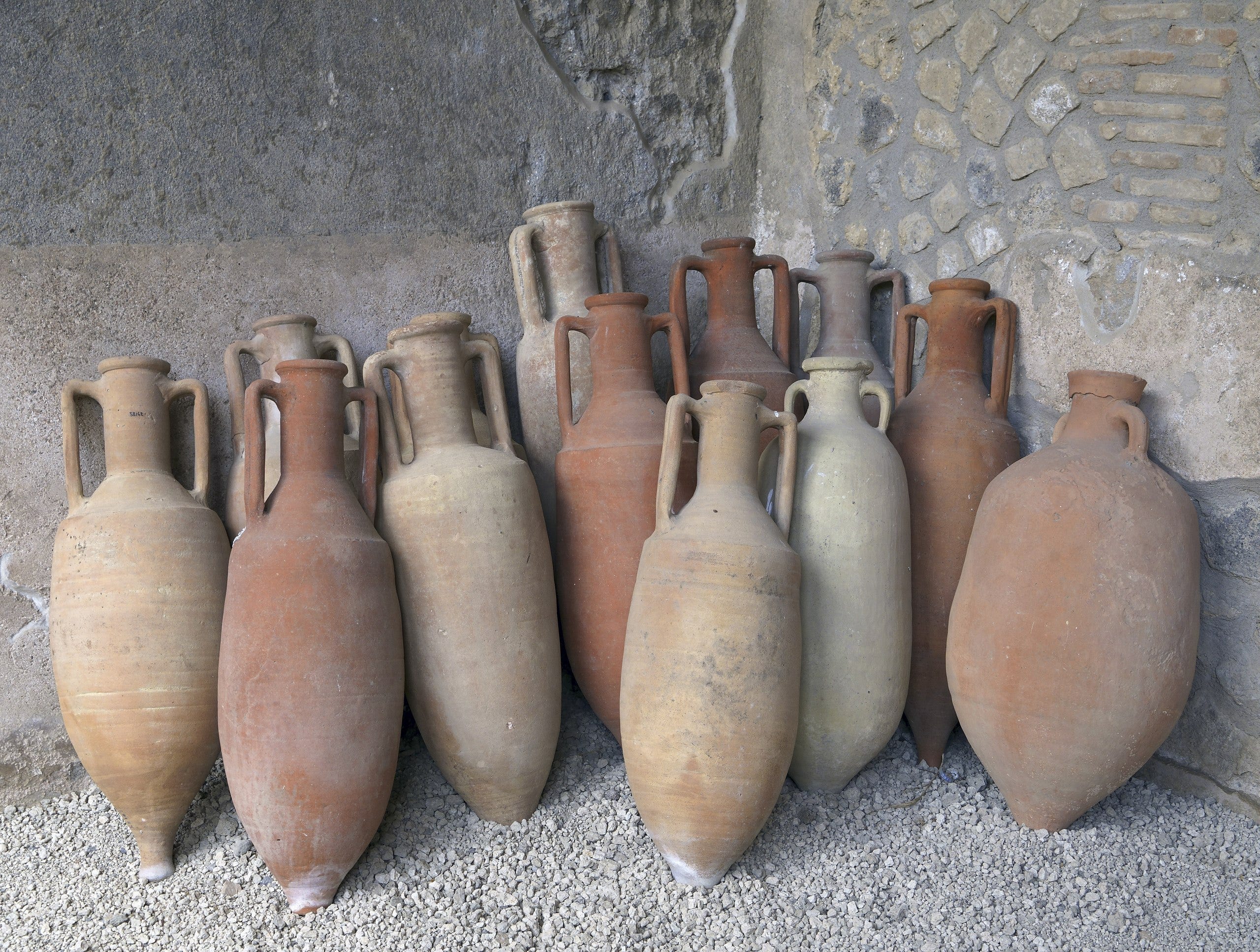
Even before the conquest of Gaul, wine was shipped to its inhabitants, who were enthusiastic consumers. The historian Diodorus Siculus (c. 90–30 BC) noted that Gauls exchanged one amphora of wine for one slave, a trade he considered advantageous. First-century BC shipwrecks reveal the scale of this commerce: one vessel carried an estimated 4,500–7,800 amphorae, another up to 13,500. Over a century, approximately 40 million amphorae — equivalent to two million gallons of wine annually — were shipped, sourced from regions including Italy, Iberia, Greece, and North Africa.
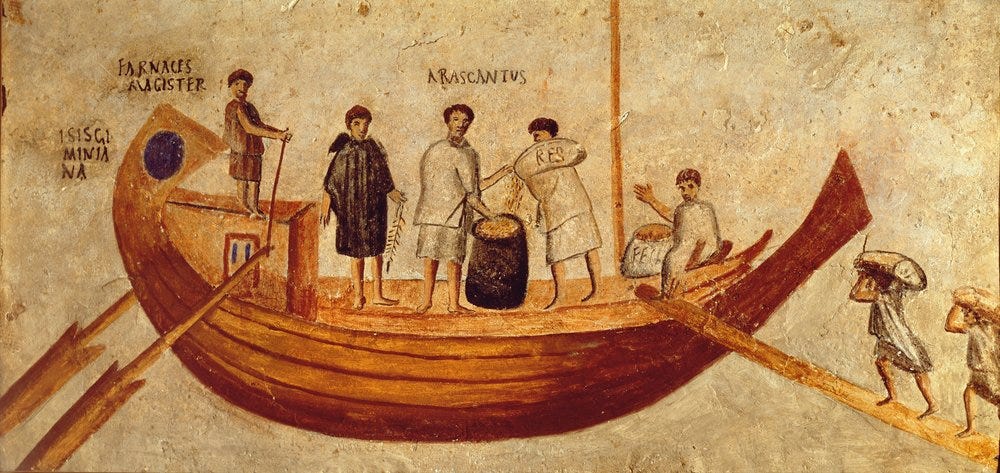
However, the majority of inter-Mediterranean trade involved food, particularly grain. Egypt supplied 135,000 tons annually, and Sicily contributed 270,000 tons. Egyptian grain was transported in massive ships, some carrying 1,200–1,300 tons, a capacity unmatched until the 19th century. Under Augustus’s successors, Egyptian grain imports tripled, becoming vital for feeding the empire, especially Rome, via the ports of Puteoli and Ostia, the latter serving as Rome’s economic hub and requiring careful oversight.
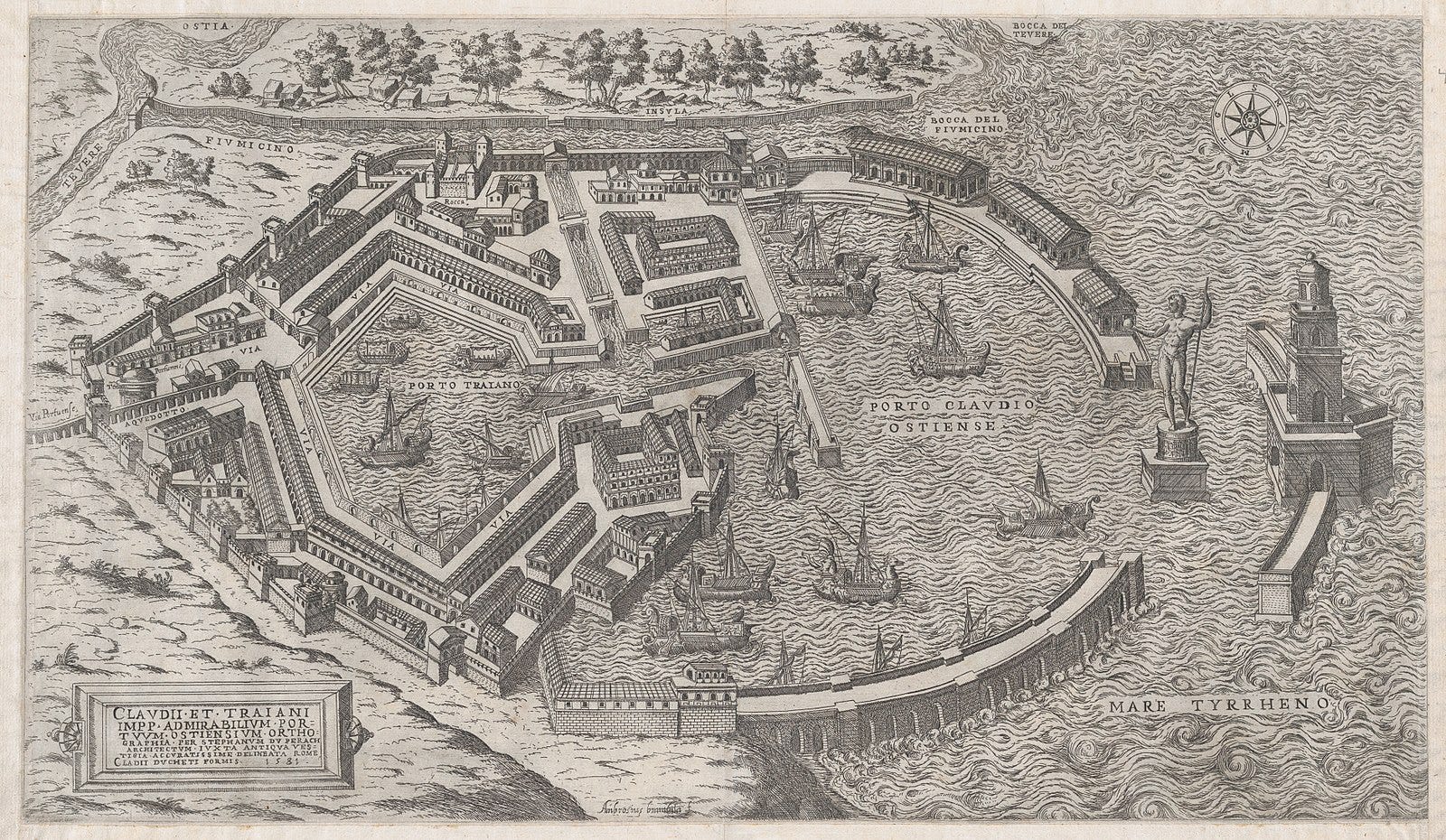
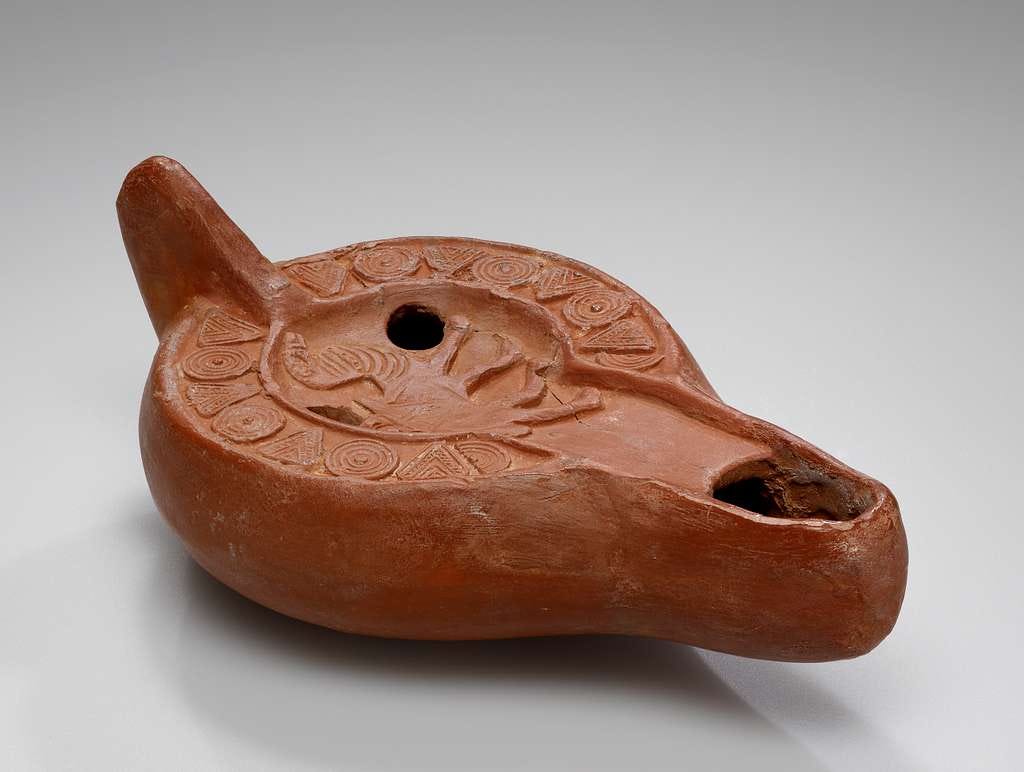
Olive oil from Iberia was another cornerstone of Roman trade, supported by sophisticated logistical networks. Monte Testaccio in Ostia, a 130-foot-high mound, consists of the remains of approximately 13 million olive oil amphorae, equivalent to six billion litres. These amphorae were discarded after single use, as repeated use caused a toxic residue to develop. Olive oil served multiple purposes, including cooking, lighting, soap production, and contraception. Garum, a pungent fish sauce cherished by Romans, was shipped in large quantities from North Africa, alongside popular tableware and specialised heat-resistant cookware.
Conquests Compared
Britain
The conquests of Britain and Egypt offer a comparative lens through which to examine their impact on maritime trade. Britain, annexed 70 years after Egypt, already had a robust pre-Roman trade network, as evidenced by the 2012 discovery in Jersey of a hoard containing 70,000 coins, gold and silver bracelets, and gold torques—the largest such find—indicating the wealth of the Gallic tribes who controlled it.
Before Britain’s conquest, trade between Gaul and Britain, subject to 25% tariff, generated about 11 million sesterces annually. Following Claudius’s conquest in 43 AD, this revenue probably dropped to about one million sesterces because intra-imperial trade incurred only a 2.5% tariff. But Claudius aimed to exploit Britain’s mineral and agricultural resources, including grain from villas to supply Rhine frontier troops, as well as Cornish tin, Welsh gold, Mendip silver, and northern copper and lead. Lighthouses at Dover and Boulogne facilitated regular shipping.
Pre-conquest, the geographer Strabo questioned the profitability of invading Britain due to high occupation costs. Post-conquest, Tacitus argued that its mineral and agricultural exports justified the endeavour, while Appian (c. 95–165 AD) deemed it unprofitable, citing the need for three to four legions to maintain order.
Egypt
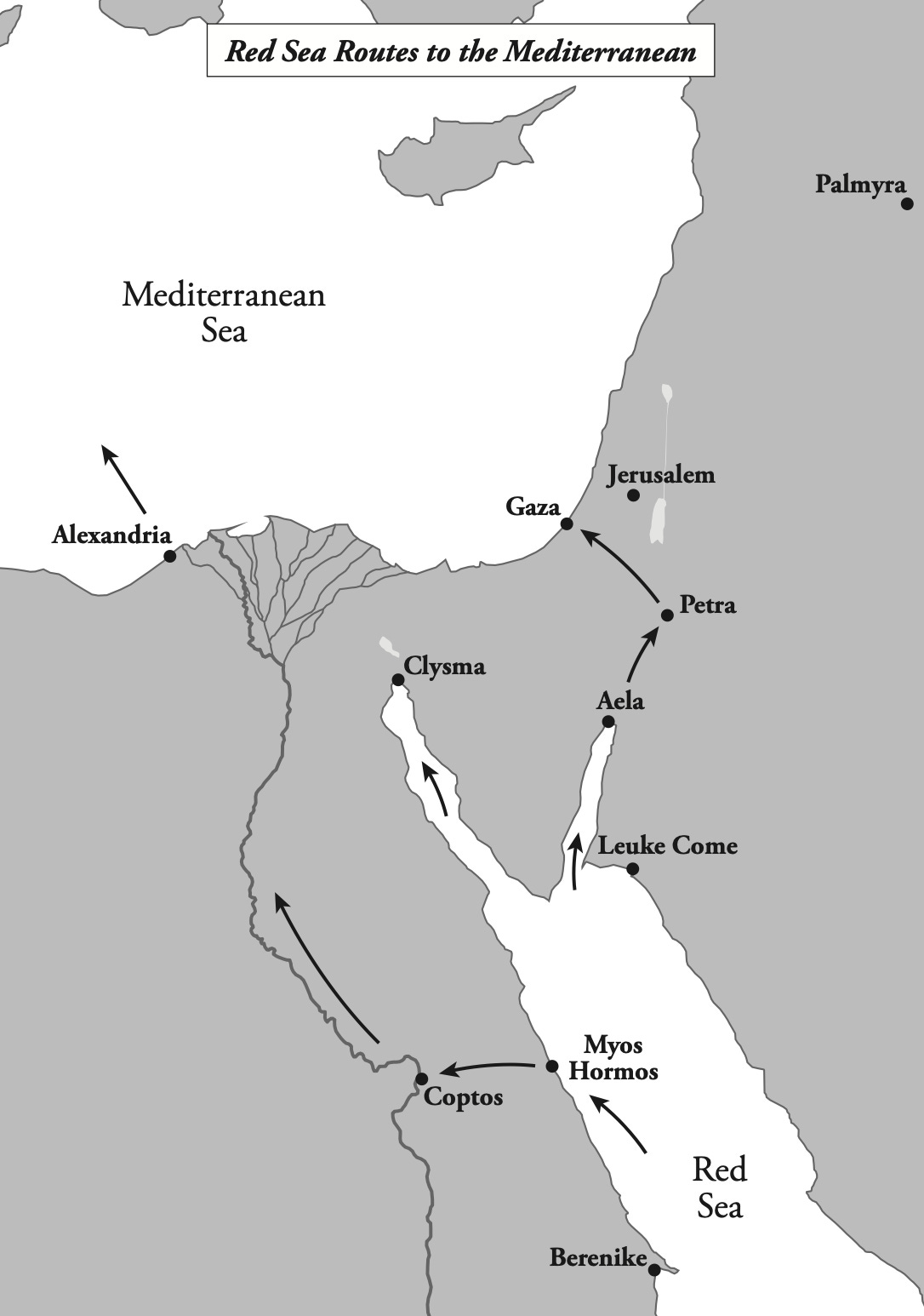
In contrast, Egypt’s integration into the empire 70 years earlier profoundly transformed Roman finances. Strabo said 20 ships annually sailed from Egypt’s Red Sea ports to India pre-conquest, which after conquest grew to 120 from Myos Hormos alone. They carried gold to purchase pearls, perfumes, incense, medicines, camphor, quartz, ivory, high-quality iron for cutlery and blades, sandalwood, gems, and, pepper, a staple in Roman cuisine. The 25% tariffs on these imports generated approximately 250 million sesterces annually, with an additional 25 million from the 2.5% tariff on Alexandria-to-Rome shipments. Pliny estimated that exports from Rome to the Indian Ocean were worth another 100 million sesterces.
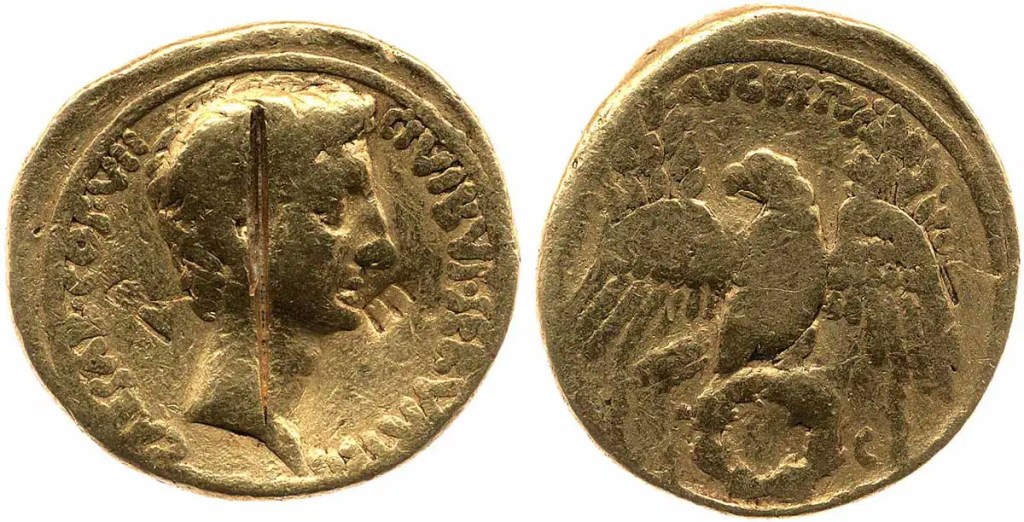
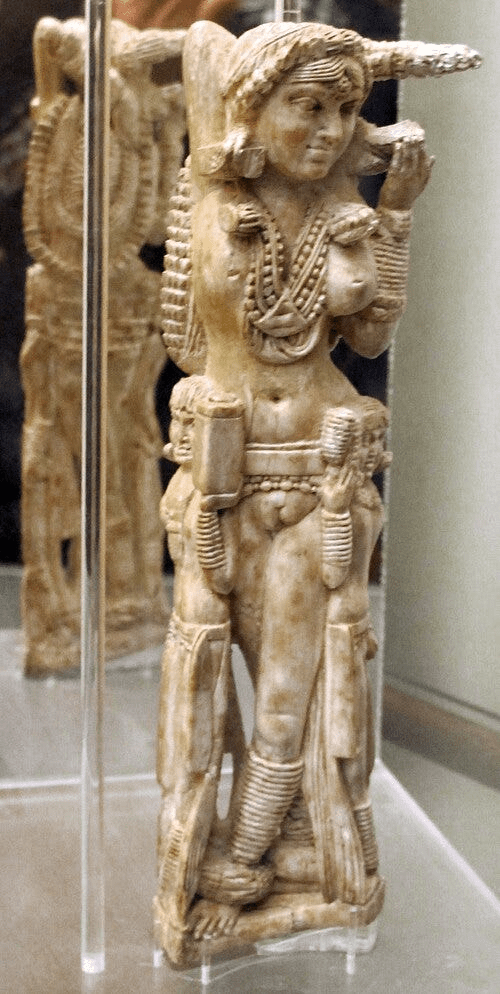
Unlike Britain, Egypt required only two legions, costing 11 million sesterces each annually, to secure. Maritime trade through Egypt generated roughly half the revenue needed to finance the entire Roman Empire, approximately 600 million sesterces per year by the mid-first century.1 This wealth funded deficits elsewhere, an ambitious building program in Rome, a professional army of 300,000, and a Mediterranean navy to protect commercial shipping. Indian embassies visited Rome to foster this mutually profitable trade.
Conclusion
Maritime trade offers critical insights into the economic underpinnings of ancient history. Indian trade, driven by high demand for its voluminous and valuable products, required substantial gold payments yet remained highly profitable for the Roman state, its merchants, and its citizens. This prosperity, reflected in high living standards, but began a slow but catastrophic decline from 166 AD into the 6th century, underscoring the pivotal role of maritime commerce in the Roman Empire’s golden age.
Further details can be found in How Maritime Trade and the Indian Subcontinent Shaped the World.
 Nick Collins
Leave a comment