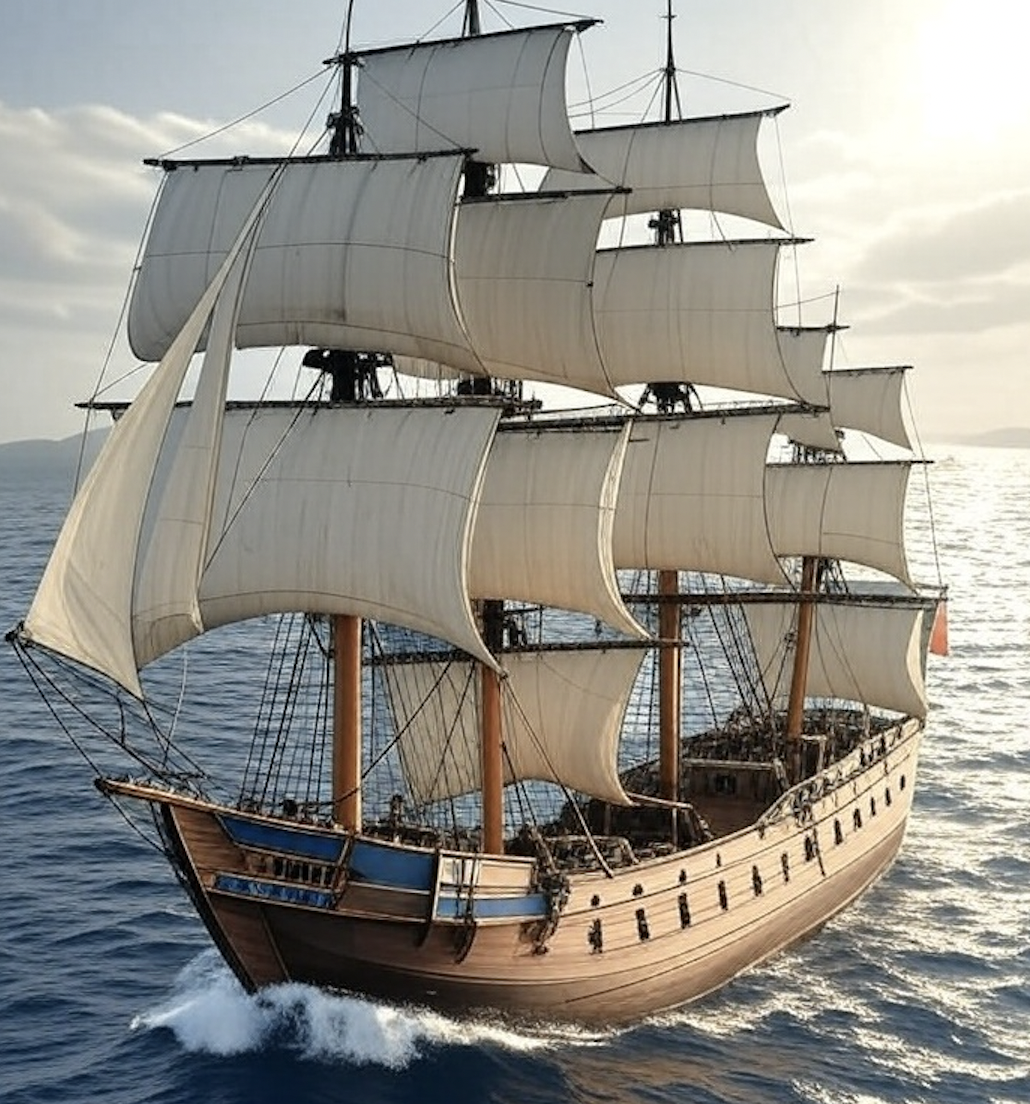
How Maritime Trade Carried Indian Thought from the Ganges to the Mediterranean
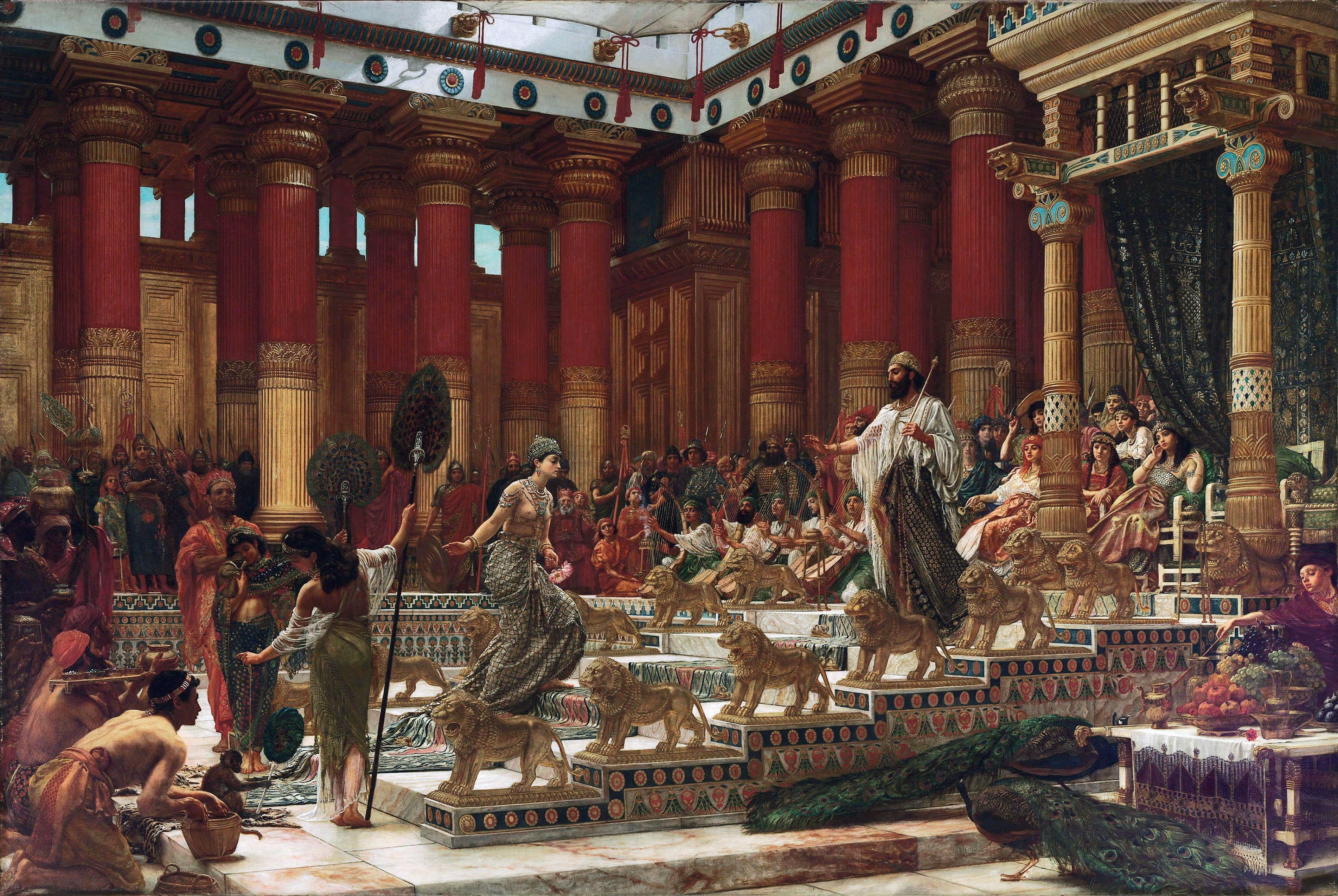
A significant portion of what the West regards as its religious heritage was shaped, directly or indirectly, by Indian thought transmitted along ancient trade networks. The mechanism was the slow seepage of ideas by ships’ crew as they carried spices, textiles and precious goods to the Mediterranean.
Early Maritime Conduits: From Hiram and Solomon Onwards
Sustained contact between the Indian subcontinent and the eastern Mediterranean can be traced from at least the 10th century BC. When Tyre’s earlier route to India by way of Egypt was disrupted by the collapse of Egyptian political authority, the Phoenician city formed a new alliance with Israel. The Hiram–Solomon maritime venture, sailing from Israel’s port of Ezion-geber in the Gulf of Aqaba, opened a fresh corridor to the Indian Ocean. Thereafter, depending on the political and social stability of the intervening powers, the conduit ran either through Egypt or through Aqaba – but it was rarely closed entirely, and it carried far more than cargo.
Concepts found in the Bhagavad Gita, particularly the unity of the divine, appear to have influenced the gradual elevation of Yahweh from one deity among many to the most important Hebrew god, then to its only god and the protector of its people. As Red Sea–Indian Ocean trade increased, ideas travelled with the same ease as the goods they accompanied.
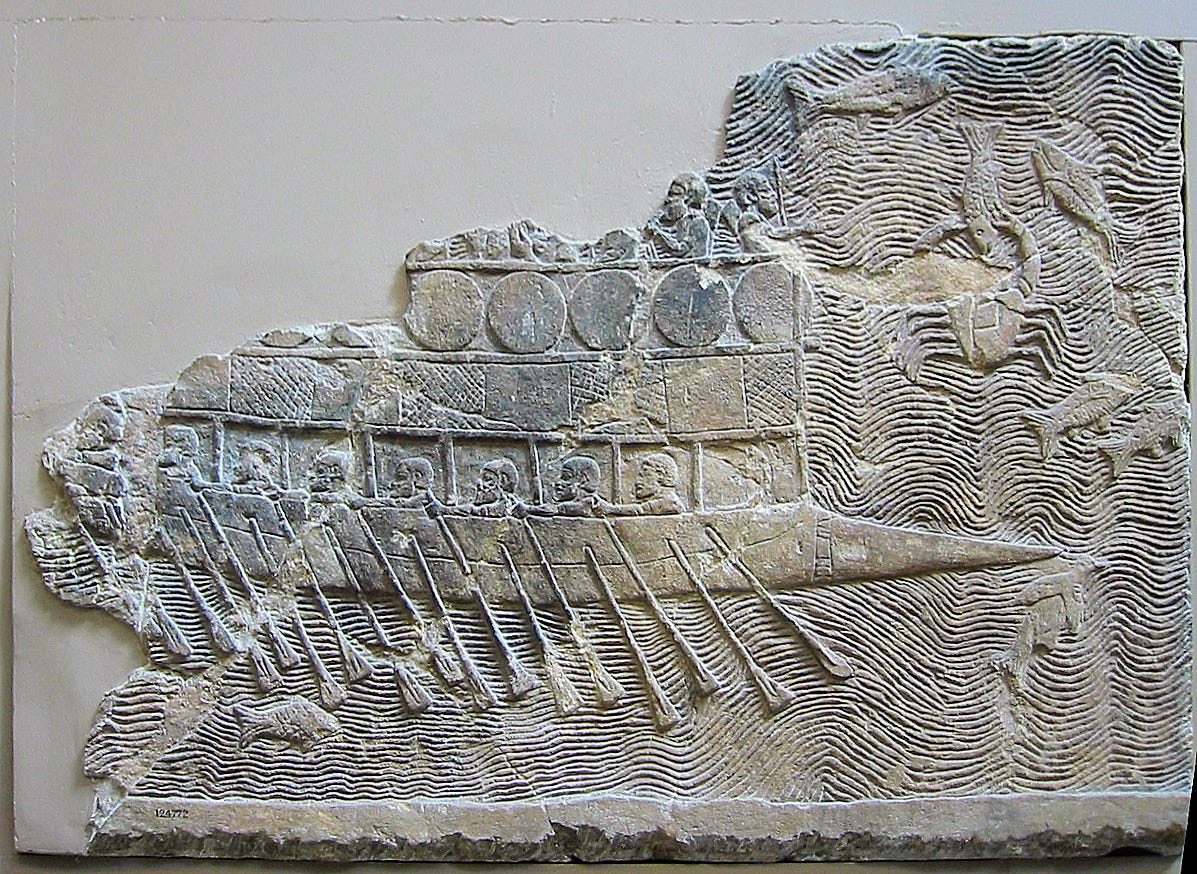
The Spread of Jain and Buddhist Doctrines
Jain principles, especially the ethical rejection of animal sacrifice probably hastened the decline of Vedic sacrificial practice in India. A parallel decline can be traced across the Levant and the eastern Mediterranean and is not coincidental. In the centuries that followed, Buddhist ideas moved westward along the same commercial corridors. Under Chandragupta Maurya (c. 321–297 BC), whose empire embraced Tamralipti, the principal port of Kalinga, and still more systematically under Ashoka (c. 268–233 BC), thousands of missionaries were despatched along the major trade routes.
The doctrines they carried – asceticism, vegetarianism, the transmigration of souls, reincarnation and pacifism – entered a far broader intellectual ecosystem. They reached China and Japan in the east, and, in modified form, Europe in the west.
These ideas appear to have resonated among the Gnostics, Essenes, Manichaeans, Orphics, Pythagoreans, Druze and Neo-Platonists. The non-canonical Gospel of the Ebionites presents John the Baptist as a vegetarian, in keeping with early Jewish Christian dietary practice; parts of Genesis likewise endorse plant-based sustenance.
Theological Parallels and Comparative Mythology
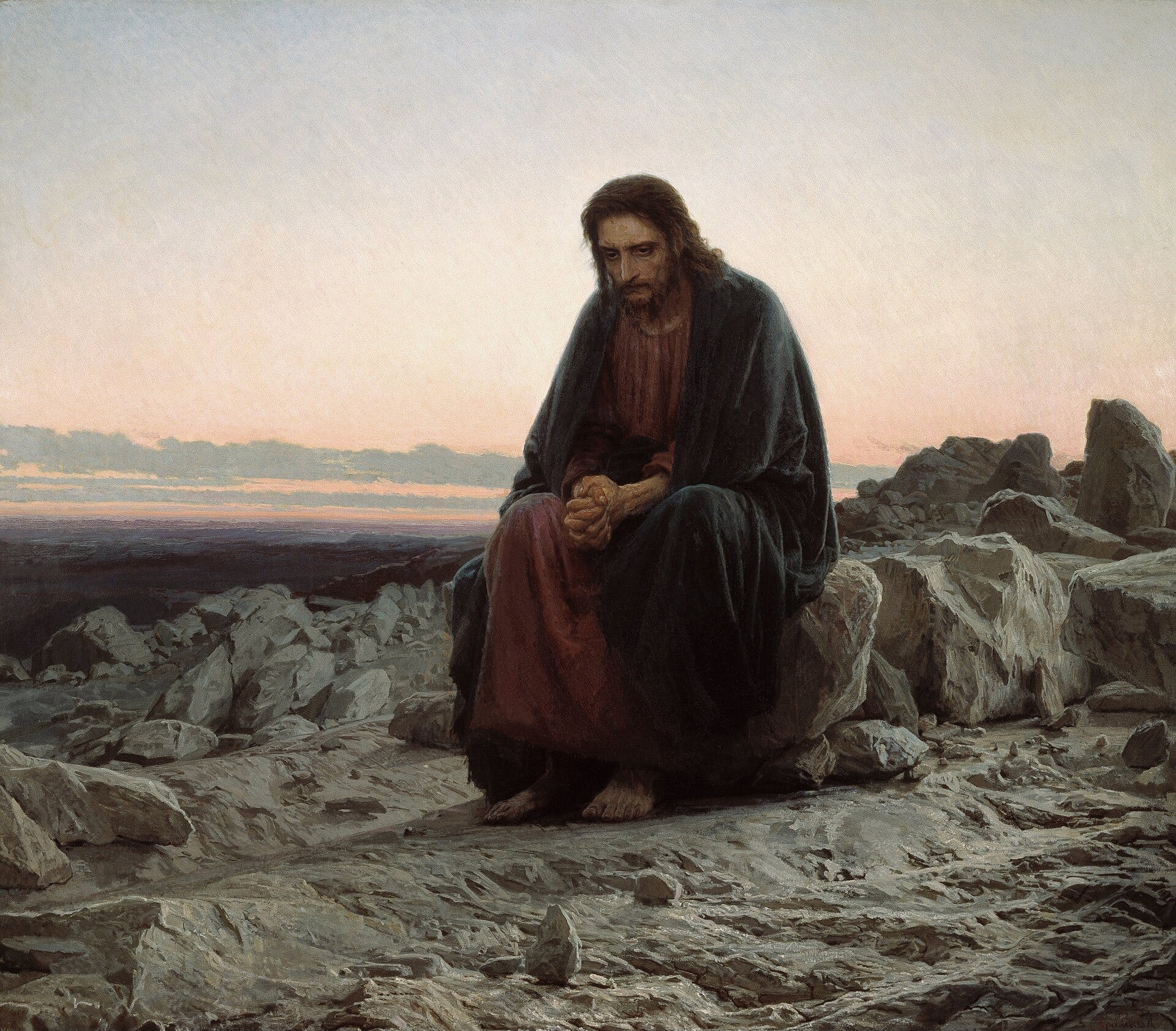
Comparative theology reveals further and more striking parallels. The traditions surrounding Krishna and Indra contain motifs later associated with Jesus: miraculous birth, celestial signs and wise men bearing gifts. Both the Buddha and Jesus undergo wilderness fasts marked by temptation narratives. Both advocate celibacy and the renunciation of worldly wealth. The Buddhist Jatakas tell of disciples walking on water until a loss of faith causes them to sink; another relates how the Buddha fed five hundred people from a single piece of bread; another closely resembles the parable of the prodigal son.
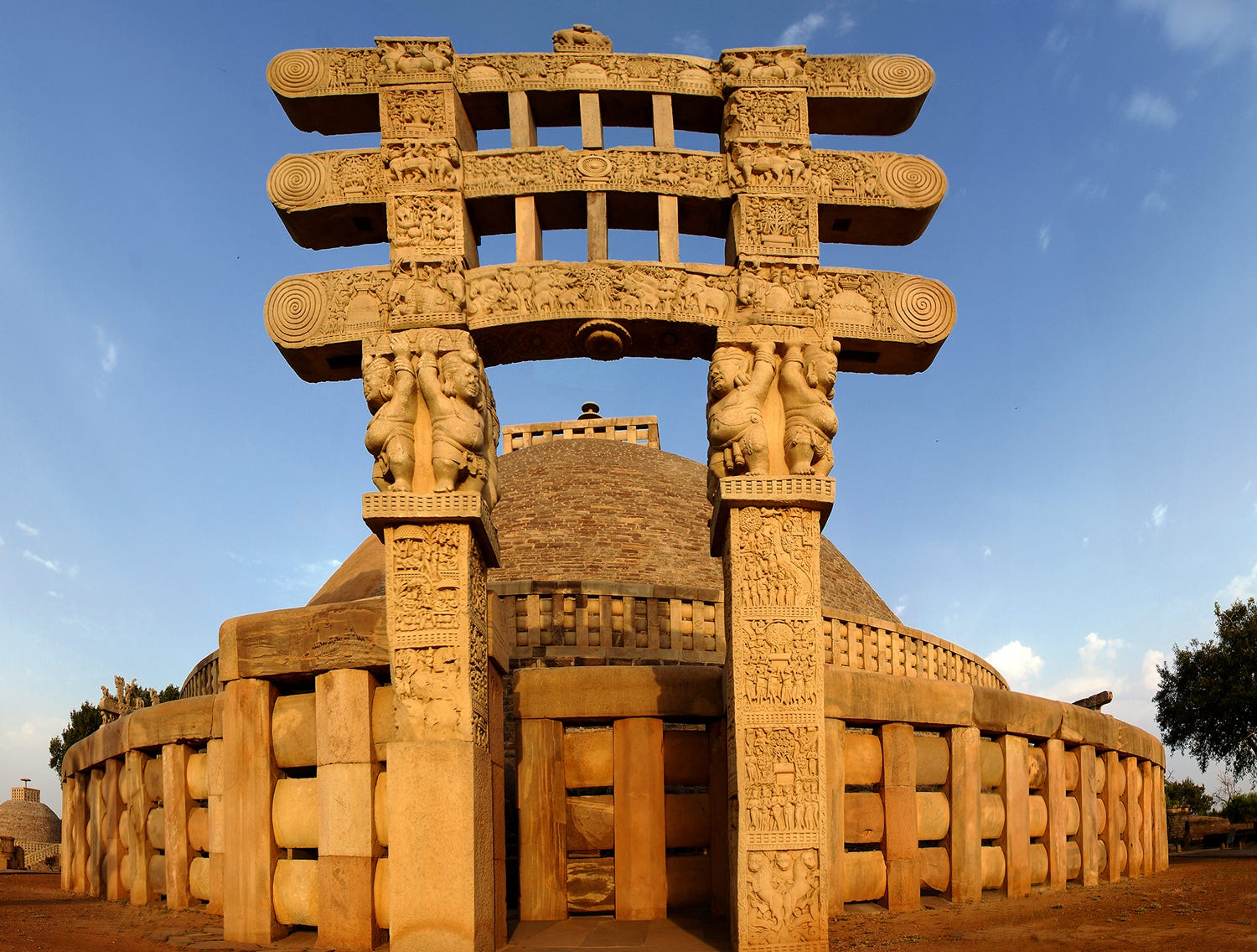
Trinity formulations within Vedic and Hindu thought – Varuna–Mitra–Agni, or the Vaishnava–Shaiva–Krishna framework, invite comparison with the Christian Trinity, and were probably copied reverentially. The Brahmanical substitution of rice cakes for earlier human sacrifice parallels Eucharistic symbolism, in which bread becomes sacred flesh. Brahmanical prohibitions on contact with raw flesh find echoes in the ritual restrictions imposed on the Roman priests known as flamens. The similarity of the words Brahmin and flamen is itself suggestive of derivation. Krishna, the Buddha and Christ were all said to be the product of virgin births and the word Christ may be traced to Krishna or Krista. Indian ablution rituals seem to have given rise to the idea of baptism, just as reincarnation was reshaped into resurrection.
Linguistic and Institutional Continuities
Linguistic and institutional continuities have also been proposed. The Vedic Om became Amen. Devotion to Mary, the Madonna and mother of God, derives from Mata Nah, “Our Mother”, the mother goddess. The Buddhist monastic model, in which material patronage was linked to spiritual merit, was adopted by later Christian monasteries; and although the early Church held poverty as an ideal, its monasteries had by the 8th century become the largest landowners in Europe.
The theological notion of multiple divine manifestations emanating from a single ultimate reality finds structural resemblance in the hierarchical Christian devotion to God, Christ, the Holy Spirit, Mary, the angels, the saints and the martyrs. Even the opening of John’s Gospel – “In the beginning was the Word, and the Word was with God, and the Word was God” – reproduces, almost exactly, a Vedic mantra.
A Wider Civilisational Transformation
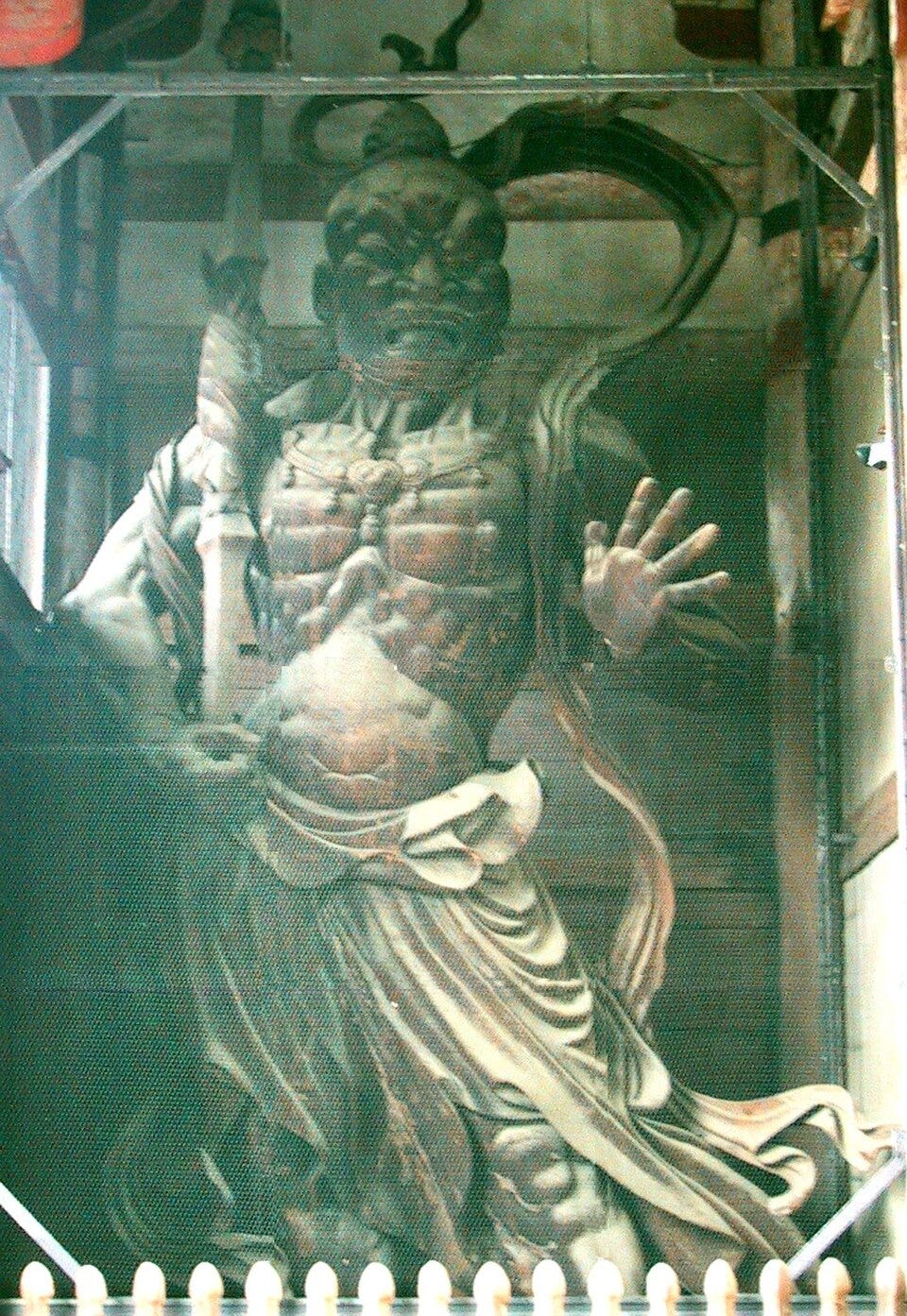
The accelerating maritime trade routes of the centuries before Christ were, in effect, vectors of civilisational transformation. The influence of Indian thought across Asia, transmitted by sustained contact across the Indian Ocean, is well known: the entrances to many Japanese Buddhist shrines are still flanked by statues of Indian gods. Less well known are the westward influences carried through Egypt and the Levant into the Mediterranean, and from there, by way of the Roman empire, into Europe itself. Indian religious philosophy, although re-moulded in transmission, reshaped and ultimately replaced the pagan religions of Europe.
The irony is that those earlier European pagan religions had themselves been Indian-influenced, having been carried westward in the post–Ice Age migrations out of north-west India, when farmers spread into the newly warmed lands of Europe and brought with them the Germanic and Slavic branches of the Indo-European languages. Some of those languages were extinguished centuries later – among them the Slavic tongues lost to the ethnic cleansing of Charlemagne’s relentless eastward Christian expansion and the Wendish Crusade that followed.
Sources and Further Reading
The principal scholarly authorities for this essay are María Eugenia Aubet’s The Phoenicians and the West (Cambridge, 1993) for the Hiram–Solomon trade; Romila Thapar’s Early India (Penguin, 2002) for the Mauryan empire and Ashoka’s missionary programme; Bart D. Ehrman’s Lost Scriptures (Oxford, 2003) for the Gospel of the Ebionites; David Frawley’s Gods, Sages and Kings (Passage, 1993) and Sir James George Frazer’s The Golden Bough (Macmillan, 1922) for the theological and ritual parallels; Simon Schama’s Landscape and Memory (HarperCollins, 1996) for the diffusion of ablution rituals; and Charles Freeman’s The Closing of the Western Mind (Heinemann, 2003) for early Christian institutional development. Primary sources include the Bhagavad Gita, the Old and New Testaments, Herodotus’s Histories and Strabo’s Geography. The synthesis and the argument from maritime trade as the mechanism of transmission draw on my book How Maritime Trade and the Indian Subcontinent Shaped the World (Pen & Sword, 2021), where full footnotes and a complete bibliography can be found.
 Nick Collins
Leave a comment